
"roast structure"
2000 article(s) found

Introduction to the working principle of Coffee Baking record Table and how to use its structure
How coffee roasting records work with structure introduction roasting can be divided into shallow roasting (Light), medium roasting (Medium), urban roasting (City) and deep roasting (Deep). Light roasted coffee beans: will have a strong smell, very crisp, high acidity is the main flavor and slightly mellow. Medium-roasted coffee beans: have a strong mellow, but also retain a certain degree of acidity

Honeycomb structure of coffee beans
I read a coffee magazine and one of the interviews was very interesting. Coffee enthusiast, Professor Yukio Hiroase of Kanazawa University in Japan, has a doctorate in engineering and specializes in computational mechanics. the boss has studied coffee beans with a hundred and twenty thousand scientific spirit and achieved the following results: 1 the interior of roasted coffee beans is honeycomb structure. different roasting methods form different honeycomb structures. 2 Honeycomb cavity

Basic knowledge of high-quality coffee beans honeycomb structure of coffee beans
I read a coffee magazine and one of the interviews was very interesting. Coffee enthusiast, Professor Yukio Hiroase of Kanazawa University in Japan, has a doctorate in engineering and specializes in computational mechanics. the boss has studied coffee beans with a hundred and twenty thousand scientific spirit and achieved the following results: 1 the interior of roasted coffee beans is honeycomb structure. different roasting methods form different honeycomb structures. 2 Honeycomb cavity

Introduction to the Brand recommendation of the structure principle of the Internal structure of the Italian Coffee Machine
The internal structure of the Italian coffee machine the structure principle of the brewing head is recommended by the brand to introduce the piston drive, or lever drive, the machine first appeared in Italy in 1945, invented by Achille Gaggia, the founder of the Italian coffee maker brand Gaggia. The design uses a joystick, driven by the operator, to put pressure on hot water to pass through the coffee powder.
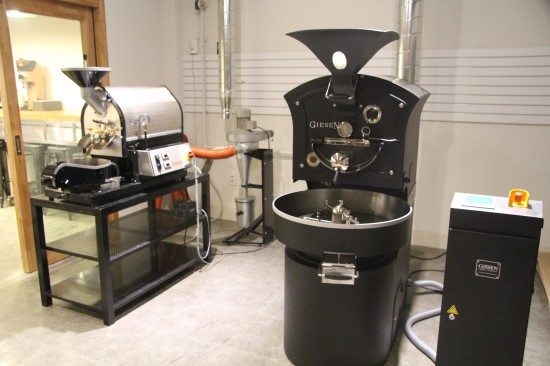
Structure understanding of Coffee Roaster
Following Cafe (official Wechat account vdailycom) found that if the coffee roaster knew the structure of the roaster he used, he could effectively control the whole roasting process if the Cafe opened a small shop of its own. Coffee roasting is a process in which raw beans (Green Bean) are transformed into the flavor of ripe beans (Roast Bean) by heat generation of Non-Enzymatic Browning. Hot

Coffee roasting A physical change in the roasting stage of coffee at roasting temperature and time.
Professional coffee knowledge exchange more information about coffee beans Please pay attention to the importance of the physical structure of the coffee workshop (Wechat official account cafe_style). The layered structure of coffee beans has a great impact on the flavor we want. Without a specific physical structure, the chemical reactions essential to flavor and aroma will not take place. Grind the raw beans into powder and place them the same as when baking
The principle of the coffee roaster, what is the basic structure of the coffee roaster?
Professional coffee knowledge exchange more coffee bean information Please follow the coffee workshop (Wechat official account cafe_style) the purpose of coffee roasting should be to find out the coffee beans treated in different regions, belonging to its most appropriate [roasting degree] although roasting is the process of heating and scorching raw coffee beans, but the real purpose should be to beat according to the different characteristics of raw beans.

Structure diagram of Fuji coffee roaster-Starbucks Italian roasted coffee beans
Fuji coffee roaster structure chart from the coffee history in Japan, we can see that there are many coffee professionals in Japan who pursue the perfect taste of coffee. These coffee professionals experiment by proposing a variety of baking methods, and design and manufacture a lot of special personalized roasters according to their various baking requirements, because these special roasters have a special personality.

Video introduction to the processing process of coffee fruit composition in coffee bean structure diagram
Coffee bean structure diagram Coffee Fruit composition processing Video introduction these coffees are baked by my Probat 12KG roaster. Thanks to the sample stick design of the machine, I can extract and save samples from any batch of beans at any time. Based on the difference of temperature detection methods, the baking temperature given below will be different from other roasters. Please ignore the baking time and set the
Composition structure of coffee cherry coffee fruit structure of coffee
Professional coffee knowledge exchange more coffee bean information please follow the coffee workshop (Wechat official account cafe_style) Coffee Cherry Coffee Cherry the coffee beans you brew are actually processed and roasted fruit seeds, this fruit is called coffee cherry. The outer skin of a coffee cherry is called an exocarp. Below it is the mesocarp, a thin layer of pulp, followed by a sticky thin layer

Coffee roaster structure usage self-made coffee roaster
Coffee roaster structure usage homemade coffee roaster has sprung up an upsurge of roasting coffee beans in small quantities in recent years, and there are many household roasters on the market, and it is quite simple to roast coffee beans by yourself. At present, household roasters can be divided into three types: self-ignition type, hot air type and drum type. Although, these are not very sophisticated professional models, but as long as they are operated properly
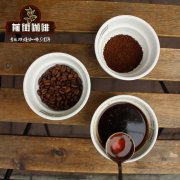
What physical changes occur when coffee is roasted? What are the changes in the sodium metanide reaction and caramelization?
Roasting converts coffee beans from green to ripe, rich in aroma and flavor, but do you know what happens during roasting? When we roast beans, it is mainly divided into physical and chemical changes. This article is the first of two series. Let's first take a look at what happens to coffee beans during roasting. The importance of physical structure The layered structure of coffee beans for roasting out what we want

Introduction of coffee bean roaster structure map degree brand taste grinding scale production area variety
Coffee bean roaster structure map degree brand taste grinding scale production area variety introduction baking process will produce a series of chemical changes. After about 5-25 minutes of baking (depending on the temperature selected), the green coffee beans lose some humidity and turn yellow. In the process, coffee beans swell, changing from a sturdy, high-density raw bean to a low-density one.

Tips on how coffee beans are roasted
Professional barista communication Please pay attention to the internal structure of coffee workshop (Weixin Official Accounts cafe_style) Coffee fruit will become our common green coffee green beans after harvesting and preliminary treatment. At this time, the green beans still contain more moisture inside, so it needs to be roasted to evenly dry the moisture inside. Green coffee beans (the seeds of coffee) are usually made of two seeds.

The basic structure of coffee roaster the structure, manufacture and operation technology of coffee roaster are analyzed in detail.
On the surface, the coffee roaster seems to be very complicated, but in fact, the structure is relatively simple. the roaster is composed of raw bean holder, drum, dust collector, dust collector, cooling tank and so on. the whole baking process of raw beans into cooked beans is mainly controlled by the control panel, adjusting turntable, sampling spoon, baking / cooling switch, etc., of course, roasting is good or bad.
"Coffee roaster companion" the chemical substances of raw beans the structure and changes of coffee beans
Chapter 2: chemical substances of raw beans author: Scott Rao translator: Huaxia coffee raw beans are strong and green seeds, 50% of which are different forms of carbohydrates, and the other 50% are composed of water, proteins, lipids, acids, and various biological bases. Coffee roasters can bake good coffee without knowing the many chemicals in raw beans, but
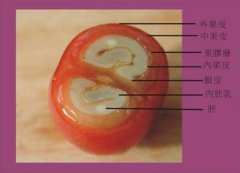
The structure of berries from outside to inside coffee fruit
What we come into contact with most are roasted coffee beans, or raw coffee beans. What do coffee beans look like before grinding? What was it like before baking? Whether through the sun, washed coffee raw beans, are obtained from coffee berries! The red coffee berry looks like a cherry, and the pulp of the coffee cherry itself is a little sweet and can be used to brew coffee.

Decomposition diagram of structural names of various parts of coffee beans
The structure and name decomposition diagram of coffee beans generally there are two pairs of seeds in the fruit, but occasionally there is only one seed in the fruit, which is called Pea berry. The coffee we usually drink is made by grinding, brewing and other steps after roasting the seeds at the center of the coffee fruit. Coffee fruit is mainly transformed into raw coffee beans by the following three treatments.

Structure diagram of geisha roasting machine for roasted coffee beans at Esmeralda Manor in Panama
According to the Panamanian auction, Rose Xia (geisha coffee) of the first jade manor, which frequently beat Blue Mountain, was only $21 per pound of raw beans in June 2004. but by 2006, it had doubled to $326 (about RMB 1103), and in 2010 it had reached $170. in six years, the price of La has increased eightfold.

Structure diagram of Fuji coffee roaster-introduction of baking degree
Structure diagram of Fuji coffee roaster-introduction of baking degree. Although these are not very sophisticated professional models, as long as they are handled properly, the roasted coffee beans are still mellow. 1. Direct firing: ceramic roaster or pan direct fire appliance is the simplest. It can be a pan or a long handle ceramic roaster made in Japan. The ceramic roaster is closed and has the effect of stewing.